We will explore the Top 10 most beautiful places for tourists in Mongolia. This vast and beautiful country is full of natural wonders and cultural treasures.
Here are ten of the most stunning sites that attract tourists from all over the world:
1. Gobi Desert
2. Lake Khuvsgul
3. Terelj National Park
4. Kharkhorin (Karakorum)
5. Altai Mountains
6. Ulaanbaatar
7. Orkhon Valley
8. Hustain Nuruu National Park
9. Shiliin Bogd (Mongolian Steppe)
10. Tavan Bogd National Park
1. Gobi Desert in Mongolia.
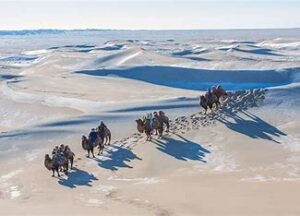
The Gobi Leave in Mongolia is an alluring and first-class resort for those searching for an experience.
It covers more than 1.2 million square kilometres and is undoubtedly one of the largest deserts on this planet. Its scenes incorporate large-scale dunes, strong mountains, and gigantic fields.
Far from a scant forest, the Gobi Desert teems with splendour and rich history.
One of the most popular and wonderful places for tourists in Mongolia is Khongor Els, or Sand Rises.
These huge tubes spread for 180 kilometres, fly in the air, and hum deeply, ultimately leading to an almost magical revelation.
Visitors can increase TIBBA for panoramic views of the scenic land.
History enthusiasts can be drawn to lively rocks (Benjags), where, in the 1920s, fossilists highlighted the eggs of dinosaurs before the arena.
Trying to find those rocks offers an attractive glimpse of the woodland’s ancient past and is massive in palaeontology.
Gobi is likewise home to a few uncommon plants and organisms, such as bacterial streams, wild horses, and gazelles, making it a paradise for nature enthusiasts.
When you pull through enough scanty areas, you can offer a proper break for those who search for silence, openness, and travel openness.
In addition, Gobi provides a window into Mongolia’s nomadic traditions.
Traffic can live in conventional Ger camps, immerse themselves within the nearby lifestyle, eat Hardic Mongolian food, and connect to nature in one of the vicinity’s most terrific corners.
2. Lake Khuvsgul in Mongolia.
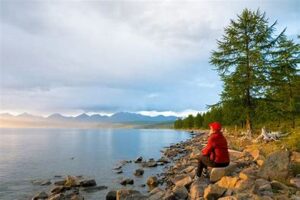
Khuvsgul Lake, frequently alluded to as the “Blue Pearl of Mongolia,” may be an extravagant freshwater lake in the northern portion of the nation, near the Russian border.
Encompassed by snow-capped mountains, virgin timberlands, and dramatic landscapes, it’s one of the most stunning locations in Mongolia and a famous destination for travelers.
Mongolia’s most significant and profound lake, the Khuvsgul Lake, is known for its high-quality, crystal-clear, turquoise water.
It can be a heaven for nature fanatics, offering a range of activities including hiking, angling, kayaking, and journeying.
The locale is rich in wildlife, along with deer, wolves, and numerous chicken species. It is a fabulous goal for watching natural life.
Only in the passport does Khuvasgul National Park also provide more opportunities for the beauty of the natural world to sink in.
Visitors can also learn about the Tastan people, a nomadic group known for their deer in the region.
With its calm atmosphere and fantastic scenes, the lake is the perfect place to experience Mongolia’s precious beauty.
3. Terelj National Park in Mongolia.
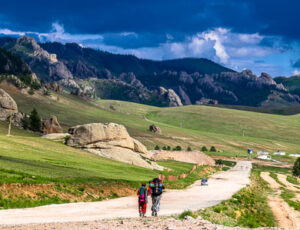
Terlig National Stop, found in Mongolia, could be a captivating goal that provides guests a one-of-a-kind and uncommon encounter within the heart of nature.
This endless and superb stop is known for its staggering view, incorporating timberlands, crystal-clear streams, and towering tree trunks.
The stop can be a sanctuary for outdoor enthusiasts, offering climbing, horseback riding, and camping activities.
A highlight of Terlig National Stop is the notorious Turtle Shack, an endless shake arrangement that resembles a turtle rising from the ground.
Guests can also investigate the Arable Consideration Asylum, a peaceful retreat within the mountains where they can reestablish their intellect, body, and soul.
In addition to its uniqueness, Terlig National Stop contains a wealthy social legacy.
Migrant families live in traditional gers (yurts) scattered throughout the steppe.
Guests can submerge themselves in the nearby culture, learning about ordinary Mongolian traditions and ways of life.
Terelj National Park is a must-see for nature enthusiasts and journey seekers who want to experience the beauty and peace of the Mongolian desert.
Whether you’re looking for open-air thrills or social inundation, Terelj National Park has something for everybody.
4. Kharkhorin (Karakorum) in Mongolia.
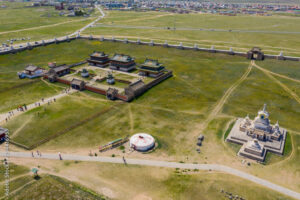
Kharhorin, as the capital of the Mongolian empire, is the house of Erdin Zu Math.
It’s one of the most stunning places and the oldest and most significant Buddhist temples, which draws tourists to Mongolia.
Placed in number one Mongolia, close to the picturesque Orkhon valley, Khurgorin offers an appealing glimpse into the Mongols’ records.
Ardin Zu Math, built during the sixteenth century, is the most important appeal.
It decorates many temples, stupas, and a spacious wall with 108 stupas, highlighting deep relationships between Buddhism and the Mongolian empire.
Visitors can fly into Mongolia’s non-secular story and consequently become part of the Buddhist empire.
The nearby Karakoram Museum showed attractive objects from the Mongolian era, providing insight into this nation.
The encompassing place is good for outdoor sports, including hiking and horse riding, which in addition beautifies the sightseeing of the River Splendour.
Kharhorin is an excellent resort for people to experience the colours of nature and Mongolia.
5. Altai Mountains in Mongolia.
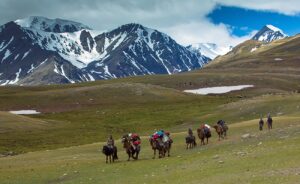
The Altai Mountains in Mongolia give guests looking for experience and regular brilliance a stunning destination.
This grand mountain range in western Mongolia is dotted with snow-capped lakes, shining lakes, rich woodlands, and an assortment of wildlife, making it a heaven for nature lovers and outdoor enthusiasts.
Hiking, horseback riding, tenting, and watching feathered animals are all energising sporting events available to tourists within the Altai Mountains, one of the most beautiful places in Mongolia.
Furthermore, the place’s captivating scenery offers a unique perspective for exploration and rest, with opportunities to discover migrant herder settlements, old petroglyphs, and hidden valleys.
For those seeking out social interaction, the Kazakh people, recognised for their enthusiastic celebrations, camaraderie, and wealthy customs, live in the Altai Mountains.
Guests can immerse themselves in the nearby vicinity.
6. Ulaanbaatar in Mongolia.
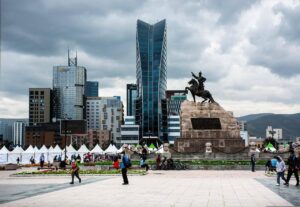
Ullanbatar, Mongolia’s capital, is a dynamic destination that blends current improvements with traditional Mongolian subculture.
It works in the northwestern brand new the us ultra-modern Mongolia’s wealthy records, its front to the cultural-historic beyond, and its natural splendour.
The city presents an attractive blend of modern-day and ancient high-quality sites and colorful surroundings in Mongolia for travelers.
One of the most exceptional places is the Rhinoceros Monastery, a vital Buddhist temple that gives tourists a glimpse into the religious traditions of Mongolia.
One vicinity to study in Ulanbator is the city’s lively heart, Heart Square.
Here, you can admire idols of nationwide heroes, including Genghis Khan, and find cafes and shops nearby.
If you are a record buff, the National Museum of Mongolia is a fantastic place to visit. It provides an attractive collection of objects from the Mongolian Empire’s historical past.
For a taste of neighbourhood lifestyles, the top of Naran Tul Bazaar, referred to as the darkish marketplace, offers a variety of goods, including traditional handicrafts, clothing, and high-quality creations.
Similarly, Ulanbataar may be an affordable starting point for visiting famous attractions, including Terelj National Park and Lake Khovsgol.
Notwithstanding the city’s early increase, it continues to have a strong connection with Mongolia’s nomadic background, offering visitors a unique blend of modern city life and rich cultural experiences.
7. Orkhon Valley in Mongolia.
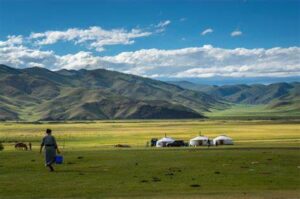
UNESCO’s world history region, the Orkhon Valley, is known for its rich history and superb perspectives in Mongolia.
While he extends along the Orkhon River, it is surrounded by tremendous and fruitful valleys, old ruins, conventional nomadic tradition, and stunning natural beauty.
This makes it an ancient haven for sky fans, nature fans, and journey seekers.
The Mongol Empire under Genghis Khan became the heart of the ruins of the ancient capital Karakorum, located in the valley, and was influenced by Ardin Zu Math, who lived in the 1500s.
Visitors can also detect old Ottoman stone inscriptions and buried piles, which present an attractive twinkle in Mongolia’s past.
Nature enthusiasts will be enchanted by the dramatic scenes in the valley, which include huge staples, juicy grasslands, and beautiful Oak Park fountains.
Diverse scenes within the valley, as it were, include the fascination.
Encompassed by rough rocks and dynamic greenery, this beautiful waterfall is one of the most common places within the valley for tourists in Mongolia.
The locale is conducive for external exercises such as climbing, riding, and camping.
This valley is also home to conventional nomadic groups, giving an exciting opportunity to enjoy Mongolia’s wealthy tradition.
Voyaging to the Orkhon Valley is an extraordinary aim because it perfectly blends records, lifestyle, and nature.
8. Hustain Nuruu National Park in Mongolia.
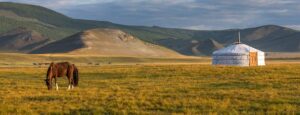
Hurtain Nuru National Park, located only 95 km west of Allanbatar, is a surprising nature reserve known for its incredible wildlife and fantastic scenery.
One of the park’s highlights is Prajavalski’s horse, which has been revived successfully. It is the only true wild horse species that has never been domesticated.
lass=”yoast-text-mark” />>Visitors are often lucky enough to move freely in the significant steps of these rare and royal horses; As a result, it will be a destination for animal lovers.
The stop is also domestic to other creatures, including wild sheep, wolves, and fowl.
Its different homes-from prairies and wetlands to forests-make it a perfect goal for eager explorers and picture takers to investigate nature.
With its beautiful landscape, the park offers a quiet frame for external activities such as hiking and cycling, providing an authentic experience of the old forest in Mongolia.
The park is near traditional ethnic and herring families and wants to preserve Mongolia’s nomadic culture.
Whether you inspect wildlife, enjoy growth, or soak in the peaceful beauty of Mongolia’s natural environment, Nuru National Park is an ideal place to escape the city.
9. Shiliin Bogd (Mongolian Steppe) in Mongolia.
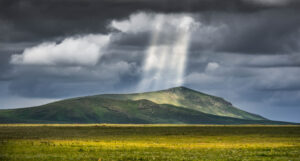
Shilin Bogad, placed on the Vishal Mongolian steps, is a superb and remote destination where visitors can completely immerse themselves in Mongolia’s conventional nomadic way of life.
With its infinite sky and rolling hills, this extended grassland inspires a sense of loneliness and is the best region to experience Mongolia’s natural beauty.
A vital appeal, Shilin Bogad, is a sacred region that the locals revere.
In growth, it’s a splendid place for mountain climbing, showcasing the surrounding scenery and lovely all-encompassing views of the mountains.
The locale is additionally home to wildlife, including gazelles, wild animals, and numerous bird species, making it a haven for nature lovers and photographers.
Rich in nomadic historical past, this Mongolian staple allows passengers to join the traditional herding families dwelling in Yurts and revel in historic customs.
Visitors can experience horseback driving, stay in neighborhood Ger camps, and gain a deep understanding of the day-to-day existence of Mongolian shepherds.
Shilin Bogad offers exciting possibilities to hold a strategic distance from advanced existence, discover the precise wooded area in Mongolia, and learn about its rich social conventions.
It is one of the beautiful places for journey-targeted tourists who want to experience the greatness of rural areas in Mongolia.
10. Tavan Bogd National Park in Mongolia.
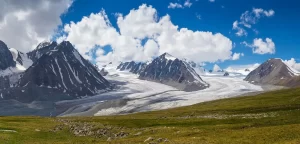
Tavan Bogd National Park, located in the far west of Mongolia, may be an astonishing homegrown pearl attracting global globetrotters and nature lovers.
Nestled in the Altai Mountains, the halt is dominated by Tavan Bogd’s five peaks, Mongolia’s most important mountain range.
The park’s harsh scene offers many opportunities for trekking and mountaineering. Serious trails lead to frosty masses, raised lakes, and colossal stretches of untouched no-man’s land.
The Tsagaan Gol Waterway winds through the stop. It is known for its excellence and could be a popular spot for angling and kayaking.
Tavan Bogd also manages a well-off social encounter, because it is sacrosanct to the Kazakh individuals.
Guests can learn about their ordinary way of life, such as the captivating sport of falconry, where brilliant hawks are utilised to capture small prey.
For those looking for far-off scenes, a more profound association with Mongolia âs social legacy, and curiously open-air undertakings, Tavan
Bogd National Park is an extraordinary destination that exhibits the U.S.âs perfect and wild excellence.